





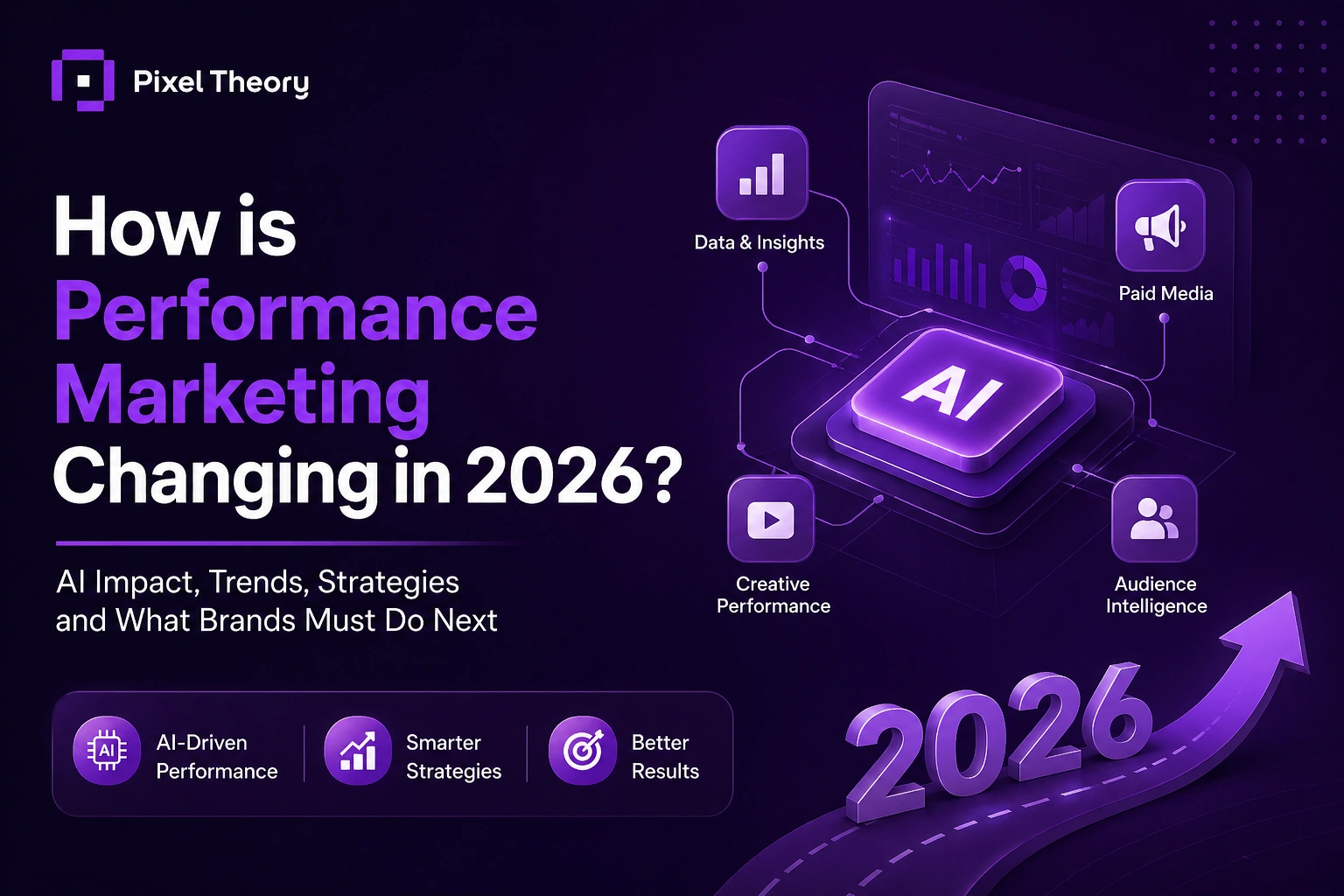
Performance marketing in 2026 is no longer about running ads and making small daily changes. It is now based on clear systems that use data, automation, and strong creatives to drive results. The AI impact on performance marketing strategies is clear because brands that use structured methods are growing in a steady way. On the other hand, brands that still follow older methods are facing higher costs and unstable performance.
The Shift From Campaigns to Systems
In earlier years, marketers focused on managing campaigns. They selected audiences, adjusted bids, and tested different settings. However, this approach has changed over time.
Now, most platforms handle these tasks automatically. Therefore, marketers must focus on building a system that supports long-term growth.
These systems include:
- Proper tracking and data collection
- Regular creative testing
- Funnel improvement
- Automated campaign handling
As a result, how performance marketing is different in 2026 becomes clear. The focus has moved from small actions to a complete process that works over time.
Pixel Theory uses this system-based approach. They connect paid media, creative, and data to help brands grow in a stable way.
The AI Impact on Performance Marketing Strategies
Artificial intelligence is now a key part of performance marketing. It supports better results and reduces manual work.
The AI impact on performance marketing strategies can be seen in daily operations.
First, automation improves campaign performance. Platforms adjust bids and placements using real-time data. Therefore, marketers do not need to control every step.
Second, predictive data helps identify users who are more likely to take action. This reduces wasted spend and improves efficiency.
Third, AI tools help measure creative performance. Marketers can understand which ads work best and make better decisions.
Because of this, marketing decisions are now based on data instead of guesswork. This also explains how digital advertising has changed in 2026.
Creative Has Become More Important
Earlier, targeting was the main focus. However, creative has now become the main driver of results.
Since platforms manage targeting, the quality of creatives now affects performance more than anything else.
In 2026, successful brands focus on:
- Testing new creatives often
- Using clear and simple messaging
- Creating short video ads
- Updating creatives before they stop performing
This change is one of the key performance marketing trends brands should know.
Pixel Theory gives strong importance to creative strategy. They use data to guide creative decisions and improve results over time.
Is Paid Media Still Effective in 2026?
Many businesses ask, is paid media still effective in 2026. The answer is yes, but the method has changed.
Paid media still helps brands grow. However, it only works well when it is part of a structured system.
To achieve results, brands must focus on:
- Accurate tracking
- Consistent creative testing
- Regular performance checks
Without these steps, campaigns may become costly and less effective.
This is why many brands now use structured paid media services. These services help create stable and predictable growth.
Pixel Theory builds paid media strategies that match business goals. Their focus is on steady performance over time.
The Importance of Data
Data plays a central role in performance marketing.
In 2026, marketers depend on:
- First-party data
- Clear attribution models
- Continuous performance tracking
At the same time, privacy rules have changed how data is collected. Therefore, businesses must use better systems to understand customer behavior.
This is another example of how performance marketing is different in 2026. Marketers cannot rely only on platform data. They need a complete view of the customer journey.
Pixel Theory uses data to guide every step. This helps brands reduce waste and improve results.
Speed Matters More Than Before
Speed has become very important in marketing.
Today, trends change quickly. Also, ads lose their effectiveness faster than before. Because of this, brands must act without delay.
To stay competitive, brands should:
- Launch campaigns quickly
- Test ideas regularly
- Make quick decisions based on data
The best performance marketing strategies for the AI era focus on fast testing and quick execution. Pixel Theory follows a fast process. This helps brands test, learn, and scale without delay.
Best Performance Marketing Strategies for the AI Era
To succeed in 2026, brands must follow clear and simple strategies.
Important strategies include:
- Build a full funnel that supports each stage of the journey
- Focus on creative testing as a key growth factor
- Use automation to improve efficiency
- Maintain clean and accurate data
- Work with skilled teams
These strategies reflect the ongoing AI impact on performance marketing strategies and show how marketing is evolving.
How Has Digital Advertising Changed in 2026?
Digital advertising has changed in many ways.
First, automation is now a standard feature on all platforms. Second, manual control has been reduced. Third, creative quality now plays a bigger role than targeting.
In addition:
- Data privacy rules have changed tracking
- Platforms depend more on machine learning
- Competition has increased across channels
These points explain how digital advertising has changed in 2026. Brands must adjust their methods to stay effective.
Traditional approaches are no longer enough. A structured system is now required.
Why Brands Choose Integrated Partners
Many brands now prefer to work with one partner instead of multiple teams. This helps maintain consistency and improve performance.
Pixel Theory offers an integrated approach that includes:
- Paid media strategy
- Creative planning
- Data analysis
- Performance tracking
This method ensures that all parts of marketing work together.
In addition, brands that invest in structured paid media services often see better long-term results. These services improve efficiency and reduce unnecessary spending.
Conclusion
Performance marketing in 2026 is based on systems, data, and strong creatives. The AI impact on performance marketing strategies has changed how brands plan and run campaigns.
To remain competitive, businesses must adapt. They need to act faster, use better data, and focus on creative quality.
Pixel Theory helps brands build systems that support growth. Their approach connects paid media, creative, and data into one clear process.
If current results are not stable, it may be the right time to move towards a structured system that supports long-term growth.
Frequently Answered Qusetions
1. How is performance marketing different in 2026?
Performance marketing in 2026 focuses on systems instead of individual campaigns. It uses automation, data, and creative testing to improve results over time. Marketers now guide strategy rather than managing every small detail.
2. What is the AI impact on performance marketing strategies?
The AI impact on performance marketing strategies includes better targeting, automated optimization, and improved decision-making. AI allows marketers to reduce guesswork and focus on actions that drive results.
3. Is paid media still effective in 2026?
Yes, paid media is still effective. However, it requires proper tracking, strong creatives, and regular optimization. Without these, performance may decline.
4. What are the key performance marketing trends brands should know?
Important trends include automation, creative-focused strategies, the use of first-party data, and faster testing cycles. These trends shape how brands grow in a competitive market.
5. How has digital advertising changed in 2026?
Digital advertising has become more automated and data-driven. Platforms use machine learning, and creative quality has become more important. Brands must update their strategies to stay competitive.